

Ideological Screening Returns to Iran’s Media
Dec. 18, 2005
Nowadays,
 |
Dec. 18, 2005
Nowadays,
Dec. 9 2005,
While the country and especially the journalistic community of 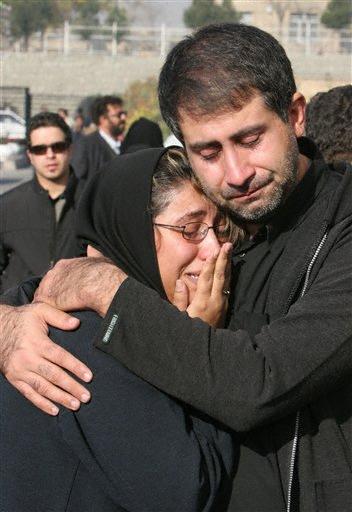
Sep 17, 2005, Roozonline daily
A member of the central committee of the Hezbe Motalefe Islamic party (Islamic Coalition Party) once again called for combating civil society groups in
Aug 28, 2005

Emad Afrough, chairman of Majlis’ (Parliament) Cultural Committee called it a risk to confirm Pourmohammadi, president Ahmadinejad’s nominee as the Minister of the Interior. This is the government agency entrusted with providing peace and stability in
Aug 22,2005
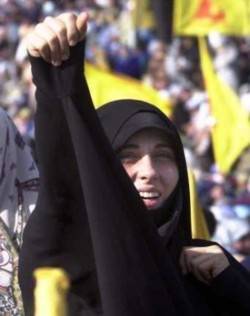 Ten days after Ansar-e Hezbollah declared, through its statement, its advocacy of changing the status quo through violent means, former president Seyed Mohammad Khatami in his first post presidential talk, condemned the spread and re-organization of dogma and pseudo religion in the country. Ansar-e Hezbollah had been formally absent from Iran’s political scene during the last years of Khatami’s presidency, only making occasional albeit destructive presence, because of its rejection by the Khatami government. But it announced its come back which it attributes to “the creation of a new government and the completion of the missing link of the Islamic Revolution”, a reference to Ahmadinejad’s presidential victory last June. (...)
Aug 18, 2005
“By appointing individuals to government Ministries, some perhaps have wrongly concluded that the appointees need not engage in policy planning and intellectual engagement, but simply to implement what the president has thought through.” These are not the words of opposition politicians in Iran or reformists, whom conservative newspaper Kayhan calls individuals who “cannot speak calmly, judge fairly and talk without being angry”, but the words of the chairman of the Culture Committee of the Majlis (Iranian Parliament) when speaking about ideologues and ideology driven politicians.(...)
Aug 14, 2005
Non-governmental organizations (NGOs) are ineffective patches whose formation the future government will try to prevent and create suitable replacements for them.” These are the words of a high ranking official of Hezbe Motalefe-ye Islami (the Islamic Coalition Party). Such statements are made at a time when civil society activists in

An interview with Deborah Campbell,Board member of the Canadian Association of Journalists
The 24/7 media environment has information firing at us from all directions, but how much do we really know? The state of the media is a concern for many experts, including Deborah Campbell, a Canadian writer, journalist and cultural critic who recently visited
24 July, 2005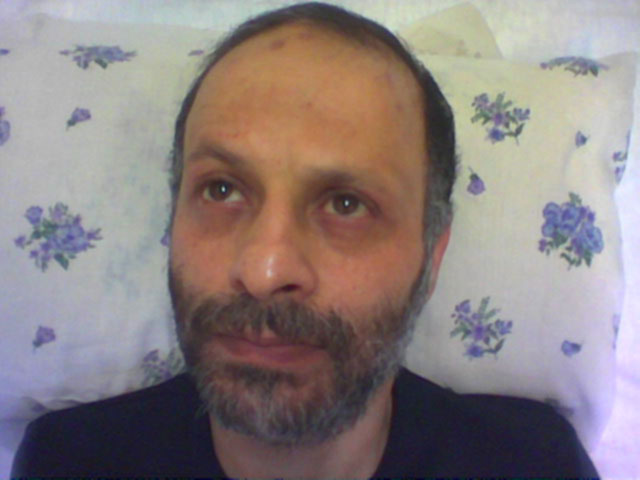
In recent years much has been said about the notion that the period of heroes in Iranian society has passed. Perhaps President Khatami’s emphasis that he is not a hero has added to this trend. In my opinion the presence or absence of individuals who are raised to the status of a hero depends on idealism and look to the future, rather than the realities of a society or the trends in it. In fact, we like our society to be at such a developed state that socio-political change would not need supermen and their extra-ordinary deeds. (...)
 یک لینک بسیار خنده دار از جی لنو- روزبه جان، مهتدی وبچه هایی که برای پست "جی لنو" کامنت گذاشتند
Iran's President Bans Western Music-SF Gate
Iran's Youth;Hopeful or Hope less?
پاسخ آیت الله سیستانی به برخی سوالات جنسی - ایران ما
این برنامه ترانه های ماندگان بی بی سی واقعا کار جالبی است.. ازدست ندهید...
صبر اروپا در برابر ایران درحال تمام شدن است-EU Leaders: Patience Running Thin on Iran- Guardian
'Axis of evil' member Iran real threat: Bush
دلیل استقبال جوانان و رهبران عرب از سخنان ضد اسرائیلی- ابطحی وب نوشت
زندانی سیاسی خوب- زندانی سیاسی بد- حامد متقی
Poeple who want to prepare the ticket of Iran's plays at World Cup just click here
Iranian president calls holocaust a 'myth' in live TV broadcast - Guardian, Dec. 14
عکس های دختران شرکت کننده در بازهای غرب آسیا (لینک رو اولین بار در وب لاگ هودر دیدم)
Iran's President Clarifies His Stand on Holocaust - NYTimes ,Dec.14
افسانه های خبری روز آنلاین - مهدی جامی، سیبستان
Iran's President Calls Holocaust 'Myth' in Latest Assault on Jews-Washington Post- Dec. 14
Powered by:
ASP-Rider PRO